Showing posts with label Dog Breeds. Show all posts

Tuesday, December 28, 2010

Bringing Home a Rescued Weimaraner-What to do Next?

Bringing home a Rescued Weimaraner
by Christine G. Bounds

Dogs are given up for a variety of factors, weimaraner growling is among them. If you bring a rescued canine home, you may be dealing with aggression from the animal.  This and other issues are often found in rescued most dogs.  That is due to the fact that many of them have come from abusive or neglectful places. It is then up to you, the new owner, to make sure that the animal is as comfortable in its brand new environment as it possibly can.

When you choose to get a weimaraner, taking one from the shelter will likely be a good idea. But, there are gonna be particular considerations, mainly if you choose to get the older ones. Of course, abandoned pet shelters will have puppy dogs, but these are virtually guaranteed a home.  If you would like to help, get an older weimaraner but know that these will come with some baggage.

As said, there are lots of explanations why dogs are given up. One common explanation is that they could no longer look after the animal.  Some weren't ready for the responsibility of having a family pet in the first place. Others could be going through financial concerns and find that they could no longer care for their pets. Dogs may also be abandoned due to the fact that they have some problems that owners cannot cope with.  No matter their explanation, pet dogs from the shelter will most likely have some issues with abandonment.

Most of the pet dogs brought from the shelter will have a common mannerism. To start, they might be a bit disinclined to form relationships with humans. But, the moment trust is established, they will begin to form rather sound bonds with their new owners. Some bonds are even likely to induce clinginess.
Take things a lot slower when you first bring home a rescued dog. You shouldn't force the pet dog to like you, mainly when it is anxious or fearful.  Let it grow to be a lot more comfortable with you. Soon enough, you will have a loyal and loving family pet in your hands.

When managing weimaraner growling or similar behavior from other pet dog breeds, it its necessary that you understand why the dog is acting that way. Once you have the explanation, it will likely be easier to handle it.

Resources

If you wish to learn more about Weimaraner Growling,  please drop by this site weimaraner-growling where you can get more resources.

Tuesday, December 14, 2010

3 Myths About Pit Bull Dogs

3 Pit Bull Myths Unmasked
By Fredrick Miller

In today's society there is one breed of dogs that is vilified more than any other, the American Pit Bull Terrier (APBT). The media portrays these dogs as the most horrible, vicious, and ill-tempered dogs ever to exist. Unfortunately most people tend to believe what they see on the television and what they read in the newspaper. Because of the media these dogs have been shunned by most of society. Today the top 3 Pit Bull myths will be unmasked before your very eyes.

Myth 1: Pit Bulls attack the most people out of any dog breed.


Did you know that there are actually over 60 different dog breeds that people mistake for being an APBT? The media loves to call any short haired dog with a large head a Pit Bull. The media are thrilled any time they can classify a dog as a Pit Bull because it makes for fantastic headlines. Any time the words "Pit Bull Attack" appear in the news there is always a nationwide anti-Pit frenzy. This poor breed is misunderstood and is considered this generation's demon dogs. Just like in previous generations there were Dobermans, German Shepherds, and Rottweilers. According to the American Temperament Test Society's June 2010 temperament testing results, the APBT ranked better than common household dog breeds such as the Cocker Spaniel, Pomeranian, Beagle, Collie, and many others.

Myth 2: Pit Bulls attack without being provoked.


All dogs, including the APBT show warning signs before they attack. These Include body language such as tensing up, stares, ear positions, tail positions, and head positions. Most dogs also give vocal warnings such as barking and growling. The general public may feel that these particular dogs attack suddenly, but most people can't distinguish the warning signs from normal behavior. Any dog that has not had the proper training or has not been socialized well enough is naturally going to be more aggressive than a dog that has. Studies also show that dogs who spend their lives chained up are very territorial when compared to dogs that get to live both indoors and outdoors. So when someone enters the dog's territory it will be more aggressive. This goes for all dog breeds.

Myth 3: Pit Bulls can lock their jaws.

There is absolutely no research that backs this up. When looked at from a medical standpoint the APBT has the same type of muscle and jaw structure as every other breed. There is no mechanism that can cause an APBT's jaw to lock. Studies by National Geographic's Dr. Brady Barr have also proven that German Shepherds and Rottweilers have a far stronger bite force than the APBT.

As you can plainly see, the media has painted a very colorful and false picture about American Pit Bull Terriers. These dogs are actually very wonderful pets. Just ask anyone who owns one of these special animals. Hopefully after seeing these 3 Pit Bull myths unmasked you will change your perspective about the breed.

Fredrick Miller is an American Pit Bull Terrier activist. He was very skeptical of the breed for a long time until he and his wife took one in off of craigslist because someone was giving the poor dog away for free. This dog has turned out to be the most well behaved and loyal pet he has ever owned. This one little furry friend has swayed his heart.

Friday, December 10, 2010

Tips for Choosing a Guard Dog

Family Watch Dog
By Sam Nieves

If I say family watch dog, what do you think of? Chances are what immediately pops into your head is something like a Rottweiler or a Doberman. A large dog that looks as if he could turn an intruder into small manageable pieces. Your basic junkyard dog, essentially, although possibly with less froth.

Which is wrong, or at least incomplete. Guard dogs and watch dogs are actually two different things, although there is some overlap, and if you want to make sure your family is safe and happy, it's good to know the difference. There are lots of great dogs for either role, but they are different roles.

If you're thinking of large, powerful dogs, probably colored black and tan, what you're thinking of are guard dogs (Rottweilers, Dobermans, German Shepherds etc). A guard dog is one that is bred to be able to intimidate and incapacitate intruders and other unwanted guests. By necessity, they need to be powerful, smart and well trained.

A watchdog, on the other hand, is there to make sure that you're aware of whatever it thinks is out of the ordinary. They are not there to attack intruders, but to serve as a kind of living alarm system. If you want a good watchdog, your dog needs to be smart and alert. They don't need to be big or scary, because that isn't their job.

If you have a dog, they're probably already serving as a kind of watchdog. Dogs are by their nature territorial and pack oriented, which means that if they see someone they don't know, they are going to start barking.

In fact, most dogs need to have their watchdog tendencies trained out of them. Their natural tendency to bark at anything out of place tends to extend to squirrels, cats, mailmen and sometimes nothing at all, so people train them to be quiet.

The key to getting a good family watch dog is in how you train them. What you want is a dog that has been trained to be discerning at what it barks at. If your dog barks at everything up to and including leaves on the ground, you're going to start ignoring him. On the other hand, if he doesn't bark at anything, well, he's not any kind of watch dog, even if he's a great dog otherwise.

Some breeds make better watchdogs than others, although almost any breed can do the job with the right training. Hounds don't make great family watch dogs because they tend to be scent oriented, and will bark at things you'll never see. This doesn't mean that they aren't suitable for the job, a dog is a dog and they will bark regardless if they see an intruder, but after speaking with so many owners that have hound mixes or hound dogs in general they entertain me with their experiences. One example is a beagle mix barking for no reason into the moon, so it looked like. Hound dogs can react to scents hundreds of yards away. This Beagle would bark every time he would catch scent of small game up in the mountains positioned less then a quarter mile from the back yard.

So what breeds do make for a good family watch dog? Well, Chihuahua's, for one. They're smart, they're alert and they have a distinct bark that they're not at all afraid to use. Most terriers make good watch dogs, and Jack Russell's and miniature Schnauzers are known for being great family watch dogs. Other popular smart watch dogs are Papillons, Poodles and Miniature Pinschers. these mentioned breed of dogs are rated among the smartest in small dogs.

In general, you want to look for a dog that is happy to bark, easily trainable, and bonds well with your family. If you get a dog that can do that, you've got a dog that can protect your family from harm.

Read and learn more about dogs. Join Dog Geekz Online Community, its free! http://www.doggeekz.com

Monday, November 29, 2010

Greyhounds

Do Greyhounds Make Good Pets?
By Lea Mullins

Greyhounds are devoted, brave, sensitive, intelligent, and often fairly laid-back dogs. They are great for young families with children, and are very obedient. This breed is mostly known for their speed and agility which makes them exceptional racing dogs. Other talents they possess include being good watchdogs, sighting and hunting, so Greyhounds do make a good choice of pet.

They have a lovely even temperament in both show and racing lines but are often undervalued due to their character, as at times they can be rather bashful towards strangers and sometimes their owner. Often they are very sensitive to the tone of voice being used, they have been known to be unresponsive to communication if they sense they are stronger minded, and do not react well negative punishment.

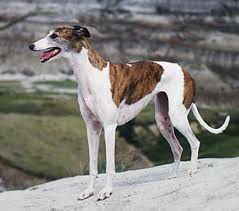
Greyhounds are tall with a long slender build with flexible spines. Their long graceful necks and small folded back ears are a part of their distinct profile. They also have impeccable straight front legs with contoured muscular hind legs. This breed can run at remarkable speeds of up to 45 miles per hour. Male and female dogs vary some what in height and weight. While a male might be up to 30 inches and weigh up to 70 pounds their female counterparts are only up to 28 inches in height and can weigh up to 65 pounds.

Their smooth coat is short and their colors vary from brindle, black, white, fawn, gray, fallow and blue or a combination of these colors with a white coat. Due to their short coats they are simple to maintain as long as they combed weekly. They don't need to be shampooed regularly only when necessary as they are fairly clean dogs, good for people who normally have allergies as these dogs don't produce the dander that other breeds do as they have more oil in their skin making them almost shed -free and odorless.

These dogs don't mind urban living environments but still need regular moderate exercises on a daily basis. They are indoor dogs but also enjoy the freedom of outside play. Their dietary requirements aren't strict but it may be best to feed them two to three small portions each day instead of the one main meal. Greyhounds may be susceptible to bloating and have been known to be quite sensitive to insecticides and some medications. Some are allergic to anesthetics. Their skin is fairly sensitive so you may need to be mindful of this as it can tear easily. Check with your veterinarian first, before using certain products on your dog, as some flea treatments may be harmful to your pet.

Like few breeds, Greyhounds aren't prone to hip dysplasia and can normally live up to 10-12 years of age.

Many retire from their racing prime from 18 months to 4 years old and generally adopted to good homes. These former racing dogs make great pets and have been crate trained, so house-training should come easily. The cost of these dogs will vary accordingly to their bloodlines, racing or show statistics.

Lea Mullins, a dog enthusiast, shares tips on housebreaking an Italian Greyhound Dog. Check out www.TrainPetDog.com to learn more about training your Italian Greyhound Dog.

Wednesday, November 24, 2010

Things to Consider When Deciding on a Large Dog for Family Pet

*** Editor: Remember when choosing a large dog for your family, consider if your family is financially secure enough to take care of a large dog. If you lose your job or encounter financial difficulties and have to move to an apartment most landlords do not allow large dogs. The larger the dog generally the shorter their lifespan. They need more exercise time than smaller dogs. Not trying to stop anyone from getting a large dog but these situations are real and need to be taken into consideration when deciding on getting a larger dog for your pet.

Choosing A Large Dog Breed For Your Family
By Angie Robinson

Some dog lovers prefer small dogs that can be a lap dog, or ones they can carry easily, but others prefer bigger dogs and opt for a large dog breed as their family pet. There are many advantages to a large dog breed, they often have higher energy levels for playtime and there can be less concern over injuries from over-excited children. However a large dog breed may have specific needs that need to be met. With so many different breeds to choose from, the decision as to which one is the most suitable for a family pet can be a difficult one.

If you are set on a large dog breed then the following points may help you with your choice:

Firstly you need to ask.....Who will Care for the Dog?

The primary caretaker of the animal is important, larger dogs require a responsible adult in charge who can control their exuberance and take the time to train the dog properly. Children and older or frailer adults are not the best choice to care for these pets. Give consideration also to the child who promises to care for the dog prior to purchase but who may lose interest in his responsibilities throughout the lifespan of the pet. Therefore it is best to make the addition of your new pet as a family effort, and so each family member is assigned to some aspect of the dogs care. By spreading the responsibility it will help to ensure your large dog breed gets the attention and care he needs and by doing so every family member will get the opportunity to enjoy your new pet equally.

How much Space will your large dog breed need?

Dogs come with a variety of energy levels, and this must be taken into consideration when deciding on which breed is best for your circumstances and in particular when you are considering a large dog breed.

A dog that becomes bored can look for alternative entertainment which could result in him becoming destructive; this can be a big problem with a large dog breed.

Your pet will need plenty of room to run with daily walks and playtime in order to help him stay healthy and happy. Larger dogs tend to need more space, for example a large garden or yard to play in. But remember the fence will need to be sufficient in substance and height to stop your lovely big dog escaping!

Be careful also with happy waggy tails around the house as objects can be knocked off innocently when your happy or excited dog is in a small room.

If you are absolutely certain that an energetic large breed dog is the right choice for you and your family, just make sure you have the room to accommodate this big, energetic and powerful animal.

Choosing a large dog breed for your family will require a lot of research and planning, however it will be worth it when you have the right choice of dog that fits in well with your family. Take the time to choose the right dog for you, and that pet in turn should return the effort by giving you and your family many years of enjoyment and companionship.

If you want the very best for your dog, and get access to FREE dog walks around the UK, then you need to go to http://sarchie.com You will get instant access on choosing a Large Dog Breed, plus access to FREE downloads, the latest reports, & top reviews.

Wednesday, November 10, 2010

Siberian Husky Profile

Siberian Husky Personality and Traits
By Jess P Strong

The Siberian Husky is alert, friendly, outgoing, mischievous, cunning, and very intelligent.

He's very affectionate with his family and loved ones. He's also very friendly with strangers. You might think from his wolf-like appearance that he makes a good guard dog. This isn't true. He may scare away an intruder by the way he looks, but he isn't territorial or protective. He's much more likely to make friends with an intruder and give him a kiss then to be aggressive with him.

Siberian Huskies need a lot of exercise each day. You'll need to be able to take him for a jog or a walk each day if you don't have a big, securely fenced back yard.

They also thrive on your love and companionship. If you can't spend at least a few hours each week playing with your Siberian (on top of walking him) then don't get one.

Siberians can be quite destructive. They are an intelligent breed and need to have constant mental stimulation. If they get bored then they will start destroying things! If you leave a bored and lonely Siberian in your home you'll likely return to find that you don't have a home anymore, he will most likely have chewed it apart. Say good bye to your new couch, he'll tear it to shreds! So if you're at work for more then a few hours per day and would have to leave him by himself, then don't get a Siberian. They need someone to be with them and they need something to do! Or else they will find their own way to entertain themselves (their way is by chewing and being destructive).

Siberian Huskies also love to dig holes in the dirt. Any dirt will do. Even your flowerbed or vegetable garden. If you own a Husky you must give him a space where he's allowed to dig and fence off the places where he isn't allowed to dig.

Siberians aren't the fastest learners when it comes to teaching them obedience commands or tricks. They are very independent and prefer to do their own thing then to learn what you want them to learn. However they aren't too difficult to train, and with patience and persistence (and gentle, positive training methods) you can get an obedient dog!

Siberians are excellent at escaping. You'll need at least six-foot high, secure fences, or he'll just go right over the top. He may even try to dig under the fence.

Siberians have an extremely high prey drive. Anything little that scampers past them is fair game! Whether it be a cat, rabbit, hamster, mouse, chicken, and possibly even a small toy dog. Siberians cannot be trusted around small animals! When raised with a cat they generally do well with them. However, even when raised with a cat and having happily lived with it for many years, he may still kill it.

For more information on the Siberian Husky click here.

Wednesday, October 27, 2010

3 Good Companion Breeds For Seniors

Companionship With Low Maintenance Dogs For the Elderly
By T Halsell

Studies have shown that pets greatly help the elderly with the need for companionship. While pets can take various forms, dogs consistently rank at the top of the list of favorite pets for the elderly. In unofficial polling upwards of ninety percent of seniors say that they are less lonely and much happier when they have adopted a pet. With this train of thought in mind, the question becomes, are some dogs lower maintenance for the elderly than others.

A consideration in selecting a dog as a companion for a senior is the actual size of the dog.  Large dogs who need a lot of space and require a good amount of exercise are not the best choice for the elderly.  A small dog on the order of a "lap dog" who desires to be handled and petted is often the first place to start looking for a good match.  Also, consider that if a trip to the vet is necessary, a small dog is easier for the elderly person to handle.

Dogs reported to be tolerant and yet very attentive to the elderly are the following breeds.  A pug is reputed to be very loving and yet able to calm itself just to lay on the owner's lap.  These dogs need attention but give as much and more as they receive.  Short-haired and a bit of clown, the pug is a great companion for the senior citizen.

Another popular small breed for the senior ready for a lively companion is the Pomeranian.  These little dogs have a lot of personality and with their "fuzzy" good looks very cuddly.  As is often true of small dogs, the Pomeranian has quite a personality and will interact with the senior owner as a good loving little companion.

Finally, the last of the breeds I will mention for consideration is the "ferocious" and very noisy but very cute little Chihuahua.  Weighing almost five pounds soaking wet, and somewhere between 6 to 9 inches tall, the little Chihuahua will be the companion who sounds the alarm anytime someone come near the house.  The little dog with the big bark is also very affectionate and a good little guard dog.

Any of the breeds mentioned above are a good starting place for an elderly, who may well be limited as to space.  In any event, these are low maintenance dogs who can provide good companionship for the elderly given a chance.

T Halsell is a writer who grew up in Kentucky and relocated to the Washington DC Metro area in the mid 70's. During this time she worked in many areas but began to write various articles about experiences with animals out a love especially for dogs. The Dog Training Academy is a website hosted at http://www.learnhowtotrainadog.com and will give the reader more information especially on training puppies. Take time to become an effective master for your dog's sake.

Monday, October 25, 2010

Tips for Buying a Dog or Puppy Online

How to Buy a Dog Online?
By John Cvetkovic

The usage of online medium for picking the best dogs that are available in the market is really catching up like never before. The best part is using this medium is that just about anybody can try it out at no great cost and also go through plenty of options before zeroing in on any breed of dog. However, with this medium, you really need to be patient to buy the best one from the dogs for sale place. Only by doing this, you are likely to select a dog that will be truly dedicated to you and will serve you like one else. There are many guides on how you can buy dogs through internet. But you needn't go through all of them. Following essential tips should easily work for you.

Long gone are the days when you had to post an ad in your local daily newspaper regarding dogs for sale and wait for its results to pour in. Today, all this and more can be done in a more efficient and easy way, right from the comfort of your home. And, guess what? You don't have to rely on any newspaper to get the response you needed. All the work can be done via internet. You will be interested to now that there are plenty of websites online through which you can always get the breed of dog you wanted. But before you proceed to make a choice you need to exercise a bit of caution.

As a prospective dog buyer, you would love to make sure that the dogs for sale place is a legitimate one and they will offer you with all kinds of services related to this business. There are obviously different tricks how you can find if they are genuine or not. As a rule of thumb, you need to understand that genuine websites will only provide you with relevant information pertaining to selling and buying of dogs and nothing extra. So, if you come across a website that gives a lot of information pertaining to some other subject then you quickly need to eliminate it. Also, genuine online sites will offer you with plenty of choices that other sites find it hard to deliver.

Once you have chosen the right website for dogs for sale, half of your task is completed. You are then required to go through different options and see which one of those will work for you and which won't. It is important here to get your priorities right. This will, in fact, make your decision making process a lot easier. First, make sure that you go through different sections of classifieds and see what different sellers have on offer with regards to their dogs. If any of these ads attracts you, make sure to get the owners details and contact them directly. Fix an appointment to meet both the dog owner and the pet. This is important because you don't want to get foxed later. This step will assure you that you will get what you saw on the website. Dogs for Sale website is great solution to buy a puppy online. Check are there any Pomeranian Puppies for sale! Or maybe you are looking for Siberian husky puppies for sale!

Monday, October 11, 2010

Miniature Dog and Teacup Puppy Tips

Secrets Revealed About Miniature Dogs and Teacup Puppies
By Ken Ninelover

Small dogs, teacup puppies and miniature dogs are all definitions of dogs which are smaller than their regular breeds. The fact that the dog is classed as a true miniature dog breed is down to whether or not it is a recognized dog breed by the various dog breeder societies around the world who maintain the definitive lists of dog breeds. They hold important information regarding size, weight and features of the dog which set it apart from its larger brothers.

Teacup puppies or teacup dogs are actually the runt(s) of the litter. These runts were given the affectionate name of teacup to enable unscrupulous breeders the ability to sell what would otherwise be a dog they could not sell and they would usually sell them for a premium price as well!. Note these animals would not be classed as an official breed as their tiny traits cannot generally be reproduced with any certainty.

Nevertheless Teacup puppies can actually be the offspring of breeders breeding two runts from different litters in an attempt to try and produce an even smaller version of their parents as I said earlier though the results can be rather unexpected!

These animals can often have health issues including the tendency to them breaking their bones in what would be classed as normal activity like jumping off the sofa, they can also display uncharacteristic behavioral traits that the full sized animal does not normally have.

True miniature dog breeds have been around a long time and have even been found mummified in Ancient Egyptian tombs. These animals can be bred consistently and their offspring are true to the breed-type.

In more recent times around the 1600′s, the miniature dog breeds were also very popular you may know King Charles loved his small spaniels and the breed was actually named after him. Many of the gentry of the time would have one or more of the miniature dogs as they were so popular.

Many small dog breeds survive today and are the favorite of city dwellers as they do not need the same space that a large dog needs. You can just about walk the dog by going around the block or over the local football field as they are so tiny.

Food bills can be lesser of course than feeding a large dog and of the mess that comes out the other end is not as much a hazard as that of a big dog just make sure you do not stand in it though.

There are of course many many specialist shops and businesses built on providing services, specialist food, clothing and play items for the smaller dog so you would not have to look too far to make your small pooch happy and comfortable in your apartment.

All in all there are many breeds of small dog available to be chosen as your favorite. As always with any pet it is important that you care for your animal well and love them, they will return your love with undying loyalty.

Often it is a god idea to shop around for some doggy insurance for your miniature dog, those vet bills are still going to be much larger than your dog and can actually be higher than you might pay for a regular breed of dog.

Ken is a lover of animals in general. He is particularly fascinated by the whole story of the miniature breeds and Teacup puppies. His particular favorite is the miniature Beagle with their big brown eyes and friendly loyal disposition.

He would love to hear from any other lovers of these smaller dogs - please go and have a look at his blog site at Miniature Dogs.

Monday, August 02, 2010

Top Ten Watch Dog Breeds

Top 10 Watch Dog Breeds
By Kelly Marshall

For hundreds of years, humans have employed dogs to alert us to the presence of danger. Dogs are naturally protective, making them well-suited for the role of alerting their "pack" when something is awry. Guard dogs and watch dogs are not the same. A guard dog not only alerts the family to danger, it is large and powerful enough to intimidate and subdue an intruder. A watch dog will not usually attack; instead, they will alert their owners anytime a stranger approaches.

A dog need not be especially large or aggressive to make a good watch dog. A strong bark is all it takes to alert the family to an approaching stranger. Would-be intruders are often deterred just by hearing the bark. Just about any dog that barks when something out of the ordinary is happening can serve as a watch dog. However, there are some breeds that are renowned for their excellent watch dog abilities.

1. Boston Terrier: One of few truly American breeds, the Boston Terrier is compact, yet muscular. They are protective of their home and family while being gentle and friendly at the same time. Boston Terriers have a strong bark that alerts their owner when a stranger approaches.

2. American Eskimo
: The American Eskimo is a small to medium sized dog that descended from the German "Spitz" line. They were bred for hundreds of years as watch dogs. The Eskimo forms a close bond with family and has a strong distrust of strangers. They are excellent at watching over people and property.

3. French Bulldog: The French Bulldog is a natural guardian and devoted companion. They do not have the biggest bark, but they always alert their family to approaching strangers or unusual noises.

4. Chihuahua: The Chihuahua may be small, but they pack a huge bark. As if trying to make up for their small size, they bark vigorously and ensure you are aware when someone is approaching your property.

5. Pekingese: The Pekingese's bark rivals that of the Chihuahua. They are a regal toy breed with an incredibly enthusiastic bark. They enjoy being pampered, but take the job of alerting their family to danger very seriously.

6. Miniature Pinscher: Many people assume that the Miniature Pinscher is a descendant of the Doberman Pinscher. To the contrary, the Miniature Pinscher is the older of the two. They are a cross between terrier and greyhound. The Miniature Pinscher is a very inquisitive breed and will always alert their owner when a stranger is nearby.

7. Irish Setter: The Irish Setter is energetic, friendly and beautiful. While larger than some watch dogs, they won't attack an intruder, but they are excellent at alerting you to potential danger.

8. Standard and Miniature Schnauzer: Both of these German breeds make great watch dogs. They are not only protective, but intelligent and reliable as well.

9. Schipperke: Nicknamed Skips, Schipperke (pronounced "skipper-kee") were bred to be hunters, companions and watchdogs. They excel in all three areas.

10. Norwegian Elkhound: The ancestors of these courageous watch dogs served with the Vikings. They are brave, bold and athletic.

Article by Kelly Marshall of Oh My Dog Supplies, check out our selection of [http://www.ohmydogsupplies.com/dog-supplies/dog-beds/]large dog beds online.

Friday, March 21, 2008

Yorkshire Terriers-Facts and Coat


The Yorkshire Terrier, (often called simply the Yorkie), is a breed of small dog in the terrier category. The long-haired terrier is known for its playful demeanor and distinctive blue and tan coat. Yorkies can be very small, usually weighing not more than 7 pounds (3.18 kg); the standard of this breed does not mention the minimum weight accepted nor does it specify a height. Based on registrations of the American Kennel Club, Yorkshire Terriers became the second most popular dog breed in the United States in 2006, trailing only the Labrador Retriever.
Yorki Facts:

Build:
Compact, athletic
Weight:
7 pounds (3.2kg)
Height:
6-7 inches (15-17½cm)
Coat:
Ultra-long, fine, silky
Color:
Steel blue on body and tail; tan elsewhere
Head:
Flat, with a medium-sized length muzzle and black nose
Teeth:
Regular
Eyes:
Extremely vivacious
Ears:
V-shaped, erect or semi-erect
Tail:
Docked to medium-length and carried level with its back
Limbs:
Straight
Feet:
Round with black nails
Life span:
12-15 years
Coat and color:
Yorkshire Terriers are a long-haired breed with no undercoat, which means that they do not shed as much as their short haired friends. Rather, their hair is like human hair in that it grows continuously and falls out rarely (only when brushed or broken). Additionally, since Yorkies carry less dander on their coat, they generally do not have the unpleasant "wet dog" odor when wet, and they may not affect as many people who suffer from dog-related allergies.

An AKC-registered Yorkshire Terrier puppy, aged 4 months, displaying the characteristic black and tan coat.
Yorkie puppies are born with a black and tan coat, and normally have black hairs mixed in with the tan until they are matured. The breed standard for adult Yorkies places prime importance on coat color, quality and texture. The hair must be glossy, fine and silky. However, some have very fine hair, making it feel a bit different and are harder to care for. From the back of the neck to the base of the tail, the coat should be a dark steel-blue (not silver-blue)- never mingled with fawn, bronze or black hairs. Hair on the tail should be a darker blue. On the head, chest and legs, hair should be a bright, rich tan, and darker at the roots than in the middle, shading to still lighter tan at the tips. Some Yorkies never turn the usual blond and continue to be gray. There should be no dark hairs intermingled with any of the tan in adult dogs. Many Yorkies do not conform to the standard for coat color; the tan may range from a very light blonde to a darker brown, while the body may be black or silvery gray. Many pet-quality Yorkies have "wooley" coats which are completely black across the back. The hair never "breaks" into the dark steel blue that is preferred in the breed because the coat texture is not a pure silk - the favorable coat texture. The Yorkie’s nose, lips, eye-rims, paw-pads and nails should be darkly pigmented. The breed standard requires that the Yorkshire Terrier's hair be perfectly straight, if its hair is not straight(not wavy). For show purposes, the coat is grown-out long and parted down the middle of the back, but may be trimmed to floor length to give ease of movement and a neater appearance. Hair on the feet and the tips of ears are also be trimmed.
The traditional long coat is extremely high maintenance, requiring hours of daily brushing. To maintain the long coats of show dogs (between exhibitions), the hair may be wrapped in rice paper, tissue paper or plastic, after a light oiling with a coat oil made for show coats, which prevents the hairs from being broken easily and keeps the coat in condition. The oil has to be washed out once a week and the wraps must be fixed periodically during the week to prevent them from sliding down and breaking the hair. As a more practical alternative, many Yorkie-owners opt to keep the dog's coat trimmed to a shorter all-over length.


Monday, February 04, 2008

The Labrador Retriever


I live with on the same property with a couple of Labs. One is a black lab and the other a yellow. Black labs love their family more than life itself! If you are looking for the ultimate self-sacrificing dog who will give up their life for you-get yourself a black lab. In this case, the lab is extremely possessive and protective which leads to trouble sometimes.

The yellow lab here is a gentleman type of dog. Very well behaved and mannered. An absolutely lovely companion dog-the definition of it!

I can see why Labs are the most popular of all the breeds. The problem is many of us are forced to live in smaller homes or rentals and dogs, especially the larger dogs like Labs are not allowed. If you have the space and the budget (they eat a lot!) get yourself a Lab from a well known and respected breeder.

Labrador Retriever

Labradors are relatively large with males typically weighing 30 to 36 kg (65 to 80 lb) and females 25 to 32 kg (55 to 70 lb) under AKC standards,[17] but some labs do become overweight and may weigh significantly more. Their coats are short and smooth, and they possess a straight, powerful tail often likened to that of an otter. The majority of the characteristics of this breed, with the exception of colour, are the result of breeding to produce a working retriever.

As with some other breeds, the English (typically "show") and the American (typically "working" or "field") lines differ. Labs are bred in England as a medium-sized dog, shorter and stockier with fuller faces and a slightly calmer nature than their American counterparts which are bred as a larger lighter-built dog. No distinction is made by the AKC, but the two classifications come from different breeding. Australian stock also exists; though not seen in the west, they are common in Asia. Other "local minor variants" may also exist in some areas.

The breed tends to shed hair twice annually, or regularly throughout the year in temperate climates.[8] Some labs shed a lot, although individuals vary.[3] Lab hair is usually fairly short and straight, and the tail quite broad and strong. The otter-like tail and webbed toes of the Labrador Retriever make them excellent swimmers. Their interwoven coat is also relatively waterproof, providing more assistance for swimming. The tail acts as a rudder for changing direction.

Labs tend to want a lot of attention from their owners. If the owner has another dog in the house the lab usually gets jealous and will strive for attention by moving the other dog out of the way so the owner can pet him. These dogs also love the water. They tend to play in the water if there are humans around playing in it. They love to be around humans and are usually very good with small children.

Temperament and activities

A Labrador participating in dog agility

"Good-tempered, very agile. Excellent nose, soft mouth; keen love of water. Adaptable, devoted companion. Intelligent, keen and biddable, with a strong will to please. Kindly nature, with no trace of aggression or undue shyness." -UK Kennel Club standard[43]

Labradors are a well-balanced and versatile breed, adaptable to a wide range of functions as well as making very good pets. As a rule they are not excessively prone to being territorial, pining, insecurity, aggression, destructiveness, hypersensitivity, or other difficult traits which sometimes manifest in a variety of breeds, and as the name suggests, they are excellent retrievers. As an extension of this, they instinctively enjoy holding objects and even hands or arms in their mouths, which they can do with great gentleness (a Labrador can carry an egg in its mouth without breaking it)[44]. They are also known to have a very soft 'feel' to the mouth, as a result of being bred to retrieve game such as waterfowl. They are prone to chewing objects (though they can be trained out of this behavior). The Labrador Retriever's coat repels water to some extent, thus facilitating the extensive use of the dog in waterfowl hunting.

Labs, like other dogs, may often tend to dig like this 3 month old and are generally very friendly with other dogs, like this german shepherd.

Labradors have a reputation as a very mellow breed and an excellent family dog (including a good reputation with children of all ages and other animals)[8], but some lines (particularly those that have continued to be bred specifically for their skills at working in the field rather than for their appearance) are particularly fast and athletic. Their fun-loving boisterousness and lack of fear may require training and firm handling at times to ensure it does not get out of hand - an uncontrolled adult can be quite problematic. Females may be slightly more independent than males.[8] Labradors mature at around three years of age; before this time they can have a significant degree of puppyish energy, often mislabeled as being hyperactive.[45][8] Because of their enthusiasm, leash-training early on is suggested to prevent pulling when full-grown.[46]

Labs often enjoy retrieving a ball endlessly and other forms of activity (such as agility, frisbee, or flyball). They are considerably "food and fun" oriented, very trainable, and open-minded to new things, and thrive on human attention, affection and interaction, of which they find it difficult to get enough. Reflecting their retrieving bloodlines, almost every Lab loves playing in water or swimming.

Although they will sometimes bark at noise, especially a degree of "alarm barking" when there is noise from unseen sources, Labs are not on the whole noisy[8] or territorial, and are often very easygoing and trusting with strangers, and therefore are not very often used as guard dogs.[8]

Labradors have a well-known reputation for appetite, and some individuals may be highly indiscriminate, eating digestible and non-food objects alike.[44] They are persuasive and persistent in requesting food. For this reason, the Lab owner must carefully control his/her dog's food intake to avoid obesity and its associated health problems (see below).[44]
The steady temperament of Labs and their ability to learn make them an ideal breed for search and rescue, detection, and therapy work. Their primary working role in the field continues to be that of a hunting retriever.

Use as working dogs

Labradors are a very popular selection for use as guide dogs.
Labradors are an intelligent breed with a good work ethic and generally good temperaments (breed statistics show that 91.5% of Labradors who were tested passed the American Temperament Test.[47]) Common working roles for Labradors include: hunting, tracking and detection, disabled-assistance, carting, and therapy work.[48] Approximately 60–70% of all guide dogs in the United States are Labradors; other common breeds are Golden Retrievers and German Shepherd Dogs.[39]
The high intelligence, initiative and self-direction of Labradors in working roles is evinced by individuals such as Endal, who during a 2001 emergency is believed to be the first dog to have placed an unconscious human being in the recovery position without prior training, then obtaining the human's mobile phone, "thrusting" it by their ear on the ground, then fetching their blanket, before barking at nearby dwellings for assistance.[49] A number of labradors have also taught themselves to assist their owner in removing money and credit cards from ATMs without prior training.[50]

Health and well-being

Many dogs, including Labs such as this ten year old, show distinct whitening of the coat as they grow older; especially around the muzzle.
Labrador pups should not be bought before they are 7–10 weeks old. Their life expectancy is generally 12 to 13 years or a few years longer with good medical care[citation needed],[51] and it is a healthy breed with relatively few major problems. Notable issues related to health and wellbeing include:

Inherited disorders

Labs are somewhat prone to hip and elbow dysplasia,[52] especially the larger dogs,[53] though not as much as some other breeds.[54] Hip scores are recommended before breeding.

Labs also suffer from the risk of knee problems. A luxating patella is a common occurrence in the knee where the leg is often bow shaped.

Eye problems are also possible in some Labs, particularly progressive retinal atrophy, cataracts,[55] corneal dystrophy[52] and retinal dysplasia. Dogs which are intended to be bred should be examined by a veterinary ophthalmologist for an eye score.
Hereditary myopathy, a rare inherited disorder that causes a deficiency in type II muscle fibre.[56]

There is a small incidence of other conditions, such as autoimmune diseases and deafness in labs, either congenitally or later in life.[3]

Other disorders

Labs are sometimes prone to ear infection, because their floppy ears trap warm moist air. This is easy to control, but needs regular checking to ensure that a problem is not building up unseen. A healthy Lab ear should look clean and light pink (almost white) inside. Darker pink (or inflamed red), or brownish deposits, are a symptom of ear infection. The usual treatment is regular cleaning daily or twice daily (being careful not to force dirt into the sensitive inner ear) and sometimes medication (ear drops) for major cases. As a preventative measure, some owners clip the hair carefully around the ear and under the flap, to encourage better air flow. Labradors also get cases of allergic reactions to food or other environmental factors.

Obesity

Labs are often overfed and are allowed to become overweight, due to their blatant enjoyment of treats, hearty appetites, and endearing behavior towards people. Lack of activity is also a contributing factor. A healthy Lab should keep a very slight hourglass waist and be fit and light, rather than fat or heavy-set. Excessive weight is strongly implicated as a risk factor in the later development of hip dysplasia or other joint problems and diabetes, and also can contribute to general reduced health when older. Osteoarthritis is commonplace in older, especially overweight, Labs.

Exploration

Labradors are not especially renowned for escapology. They do not typically jump high fences or dig. Because of their personalities, some Labs climb and/or jump for their own amusement. As a breed they are highly intelligent and capable of intense single-mindedness and focus if motivated or their interest is caught. Therefore, with the right conditions and stimuli, a bored Lab could "turn into an escape artist par excellence".[57][8]

Labradors as a breed are curious, exploratory and love company, following both people and interesting scents for food, attention and novelty value. In this way, they can often "vanish" or otherwise become separated from their owners with little fanfare.[58] They are also popular dogs if found, and at times may be stolen.[59] Because of this a number of dog clubs and rescue organisations (including the UK's Kennel Club) consider it good practice that Labradors are microchipped, with the owner's name and address also on their collar and tags.[60][58]

Thursday, January 17, 2008

2007 Most Popular Dogs in the U.S.-Announced by the AKC

TaDa! Here's the most current list of the most popular Dog Breeds in America 2007:

American Kennel Club News ArticleBulldog Muscles Its Way Into AKC's List Of Top 10 Most Popular Dogs In AmericaDate of Article: January 16, 2008

- Bulldog Makes the List for First Time in Nearly 75 Years; Labrador Retriever Continues to Fetch Top Spot -

New York, NY – Today the American Kennel Club® announced that the Bulldog, a popular sports team mascot and one of the most recognizable and iconic purebred dogs, has muscled its way into the 10th spot on the organization’s annual list of the most popular breeds in America according to 2007 AKC® registration figures. The Labrador Retriever retains the title of “Top Dog”— a position it has now held for 17 consecutive years. “This is the first time the Bulldog has made it onto the top ten list since 1935,” said AKC spokesperson Lisa Peterson. “This breed appeals to a very wide range of dog lovers so it’s no surprise that it is a favorite amongst AKC’s 157 breeds. The Bulldog is both docile and adaptive, and can thrive in small or large homes. It’s an excellent all-around family pet.”
The Bulldog was first recognized by the AKC in 1886 – just two years after the organization’s founding – and was most popular in 1915* when it peaked in 5th place. The breed’s popularity ebbed and flowed throughout the mid-20th century, but since hitting a low of 41st place in 1973, its ranking has steadily increased.

2007 Most Popular Dogs in the U.S.

1. Labrador Retriever
2. Yorkshire Terrier
3. German Shepherd Dog
4. Golden Retriever
5. Beagle
6. Boxer
7. Dachshund
8. Poodle
9. Shih Tzu
10. Bulldog

FRAUDULENT FIDOS

Unfortunately the Bulldog’s popularity – and irresistible appearance as a puppy – is often taken advantage of. Earlier this year the AKC and the Better Business Bureau issued a warning about Internet scams that often used photos of Bulldog puppies to lure in victims. Commonly, the scammer —posing as a breeder— places an ad offering a free or inexpensive puppy and then requests via email that shipping fees be wired. After the money is sent, the dog never arrives and the scammer is never heard from again.

“This is certainly not the only scam to be aware of, but it is a common one,” says Peterson. “Because of the emotional investment, consumers are more vulnerable to being taken advantage of when it comes to a cute, cuddly puppy than with any other purchase. Not only is it important to find the breed that’s right for your lifestyle, it’s just as important to take those extra steps and find a responsible breeder.”

PET PREFERENCES: TOP 50 CITIESThe AKC looked at the Top 10 breeds in the nation’s 50 largest cities. Some highlights:

The Bulldog is most popular in Los Angeles where is it currently ranked 2nd right after the Lab.
Despite having one of the world’s most beloved and renowned Bulldogs as the mascot for its state college sports team – University of Georgia’s “Uga,” – Atlanta is one of the few cities in the nation that did not include the Bulldog in its Top 10.
The Poodle and Dachshund, who each once enjoyed the top spot in Manhattan (2006, 2005 for the Poodle and 2004 for the Dachshund) now share a tie for 3rd place, ousted by America’s top choice, the Labrador Retriever.
Detroit, Knoxville, Miami, Honolulu and Orlando are the only cities that do not have the Labrador Retriever in the top spot. Detroit and Miami favor the German Shepherd, Orlando puts the Yorkie in 1st place, Honolulu the Golden Retriever and Knoxville the Boxer.
Salt Lake City is the only city to place the Shih Tzu in one of its top two spots. It moved from 3rd in 2006 to 2nd in 2007.
The only cities to not have the Yorkie on their lists are Buffalo, Milwaukee and Des Moines. And, Des Moines had the most unique list of all 50 cities, considering that it shared only four dogs with the national Top 10.
The Miniature Schnauzer, which was displaced on the national list this year by the Bulldog, still claims top dog status in Oklahoma City where it ranks 3rd, higher than in any other U.S. city.
San Francisco and Los Angeles were the only cities in the nation to include the French Bulldog in their Top 10 lists.

PET PREFERENCES: 1997– 2007Some of the most notable recent trends include:

The Miniature Schnauzer was bumped off the Top 10 list in 2007 to make room for the Bulldog.
The Yorkshire Terrier held steady in 2nd place, after making news last year by displacing the Golden Retriever and German Shepherd.
The Havanese, a small dog with a coat type that is a good choice for people with allergies, has enjoyed the greatest surge in popularity since 1997, increasing 994%. It now ranks as the 37th most popular breed.
Other small dogs (under 20 lbs.) that have gained popularity in the past decade include the Cavalier King Charles Spaniel (+406%), the French Bulldog (+404%) and the Brussels Griffon (+157%).
Large dogs with notable increases are two Swiss breeds -- the Bernese Mountain Dog (+74%) and the Greater Swiss Mountain Dog (+127%) -- as well as the Wirehaired Pointing Griffon (+130%).
Breeds on the decline include the Rottweiler (-81%) and the Dalmatian (-96%). Many breeds of Asian origins are also waning in popularity: Chow Chows (-84%), Pekingese (-79%), Akitas (-76%), Lhasa Apso (-75%), Chinese Shar-Pei (-73%) and Shiba Inu (-38%).

PET PREFERENCES: 1915 – TODAY The AKC has maintained registration statistics of AKC recognized breeds for nearly a century. Some highlights:

The Beagle is the only breed that has consistently been included in the Top 10 list since 1915. It reigned as the most popular breed from 1954 to 1959.
Poodles enjoyed a long reign as the most popular dog for 23 years (1960–1982), the longest any breed has held that position consecutively.
Cocker Spaniels ranked number one from 1936-1953 (replaced by the Beagle in 1954). Cocker Spaniels made a comeback and were number one again from 1983-1990, making them the dog with the longest total reign in the top spot at 25 years.
The Toy group has been steadily on the rise since the 1970’s, when it made up only 12% of the registry versus 23% today.
The Working group peaked in the 1990’s at 17%, most notably due to the Rottweiler being in the Top 10 at that time, including several years in 2nd place.
Dog lovers can see and learn more about all of their favorite breeds on Saturday, February 2 when the AKC/Eukanuba National Championship — where country’s top dogs compete for $225,000 in prize money and the title of “National Champion” — airs on Animal Planet from 8-11pm.

*First year AKC Registration Data was captured.

Thursday, December 27, 2007

Savvy About Beagles?

Love the Beagles? I know they are a favorite among many people. I've never had a beagle but you can learn a great deal about them at this site. Sometimes it's a good idea to do a little research before settling in on a breed.

Informative Beagle Site-Beagle Savvy

Saturday, October 27, 2007

Bichon Frise Skin and Coat Care Info

Because Bichons are so susceptible to skin problems and allergies, good grooming practices are very important.

Bichons being shown in conformation (i.e., in dog shows such as the Westminster Kennel Club show) have their coat styled in the full-volume cut required by most show standards. Bichons not being shown are more often kept in a "puppy cut," which is shorter and requires less maintenance.

Like all dogs that require frequent grooming, Bichons should be accustomed to grooming from a young age and care should be taken to keep grooming pleasurable. Bichons should be brushed several times a week to prevent tangles. Frequent grooming creates a puffier coat. To prevent matting, the coat should be kept clean, brushed thoroughly before bathing, and brushed and completely dried after bathing. Hair dryers designed for dog grooming are generally preferred over human hair dryers. Dog dryers are cooler and blow air with more force than human hair dryers. Some breeders use products such as baking soda or cornflower to dry the hair but this can lead to the hair becoming brittle. Excess hair should be removed regularly from ears and between foot pads. Owners should clean their dog's hind (anal) area with a damp cloth after each bowel movement to keep feces from sticking to the hair.

The fur on the face of a Bichon Frisé should be kept clean and trimmed, as eye discharge and mucus tend to accumulate in the hair that grows in front of their eyes. In common with most white dogs Bichons are prone to tear-staining around the eyes. Tear staining may be caused by allergies, infections, blocked tear ducts, stray eyelashes, or foreign material in the eyes. It is generally good practice to wipe away the tears on a daily basis. A saline solution may help. There are topical wipes available from pet stores that have been shown to help some dogs..

If skin problems develop or if eye discharge is excessive, a veterinarian should be consulted. Problems due to allergies may be require medication or a change in diet.