Researchers at Cambridge University in England have made a discovery that allows previously paralyzed dogs to walk again.
They took 34 dogs with paralyzed hind legs and injected cells into their spines. The cells were from the dog's nose! The findings so far reveal that the injection of nose cells improves the dog's ability to walk again. The cells don't improve communication between the brain and legs but those particular cells regenerate more than any other cells in a dog's nervous systems.
The dogs don't walk as if they weren't injured but the cell therapy does improve walking ability and coordination.
Very interesting study.
More details at ABC News.

Showing posts with label Dog Health. Show all posts
Showing posts with label Dog Health. Show all posts
Tuesday, November 20, 2012
Tuesday, January 31, 2012
Dogs are Carnivores Argument
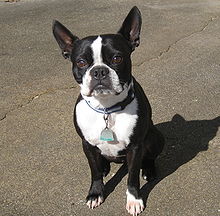
The Doctor reminds dog owners that a dog's teeth are built for meat eating, they don't have the digestive enzymes in their saliva for processing carbs and starches and their digestive system is designed to hold and break down meat-based proteins.
Read more interesting facts at Mercola.com.
Friday, January 27, 2012
5 Things Hiding in Your Purse That Could Poison Your Pets
This article is a very important read for any pet owner. These common items a lot of women carry in their purses can be deadly if pets consume them. Many pets will eat virtually anything in front of them so it's important to make sure all potentially poisonous products are not available for your pets.
Check out 5 Pet Poisons Hiding in Your Purse, Backpack or Workbag.
Check out 5 Pet Poisons Hiding in Your Purse, Backpack or Workbag.
Friday, December 23, 2011
How to Treat an Ear Infection in Dogs
A couple of common symptoms of ear infection is your dog shaking their head. If they keep shaking their head, check out the ear. Sometimes an infected ear will have a bad oder emitting from it and the inside of the ear may look very red as compared to the other ear that has no problem.
Here's general advice on how to treat an ear infection:
Here's general advice on how to treat an ear infection:
Thursday, September 22, 2011
National List of Pet Pantries State by State

Across the country people are bringing their pets to Pet Pantries. Rather than take their pets to pounds and shelters owners want to keep their furry kids with them. They're forced to go to a Pet Pantry and get a bag of food and even medical supplies.
Because of the economy donations are down at these pantries and some pets might go hungry for who knows how long.
Pets are members of our families and for some who live alone their pets are they're only family.
If you're are doing well financially you might consider donating to these Pet Pantries in your area to keep pets with their families.
Here's a list of State by State Pet Food Pantries where you can get free food for dogs and cats:
Pet Food Pantries by State.
Friday, August 26, 2011
Dog Yoga?

The slide show shows dog owners and their pets doing yoga moves with their dogs delicately balanced on their torsos. The dogs, many of whom are of the Toy variety, seem to be tolerating the bending, stretching and balancing as well as they can.
I'm sure they'd rather be running on the beach or curled up on their favorite blanky eating a treat!
View the Dog Yoga Slide Show at Yahoo!
More on Dog Yoga.
Saturday, July 23, 2011
List of Medications Dangerous to Dogs

Check out the list at The Dog Daily.
Monday, June 13, 2011
Beware Foxtails and Groom Your Dog!

Dogs with long hair must be combed out everyday. If you don't comb out the long hair it invariable tangles and you have to spend more time untangling the knots. If the tangle or knot grows it gets more twisted and thick causing the knot to pull up against the dog's skin. That pulling sensation is irritating and even painful to a dog. You'll often see a dog licking it's coat/hair where it's hair is knotted or tangled and that's because that area hurts the dog.
Our dog just got her nails cut. Make sure you take your dog to the groomer regularly for a nail-cutting. Overgrown nails start to curl under causing the dog's paw to twist unnaturally which can result in hurting the paw. Make sure you know where the quick is on the nail. If you cut too much of the nail you'll cut the quick and cause bleeding. If your dog has dew claws make sure they're cut back also.
Best not to let water get into your dog's ear, the bacteria in water can cause an infection.
California is infamous for it's "Foxtails" which are tall thin weeds with very pointed ends. These pointy ends invariably end up in a dog's paw, legs, back and even ears during a walk. Always check those areas on your dog when coming back from a walk. Our dog has suffered from ear infections ever since a small point of a Foxtail got stuck in her eardrum. Paw infections are also common. Foxtails are as nasty an enemy as your dog can have in California-always check your dog for them!
Here's the article on grooming your dog at The Seattle Times.
Sunday, December 26, 2010
Great Tips for Keeping Your Dog at the Right Weight
Check out this great article on the dangers of dogs overeating or eating the wrong foods. Dogs get diseases just as easily as humans do. It's very important dogs are fed the right food and kept at the right weight for their size. Regular daily exercise is great for poochie also.
Great info for keeping your dog in shape at USA Today.
Great info for keeping your dog in shape at USA Today.
Thursday, December 16, 2010
How to Help Your Pet Lose Weight
Slim down secrets for pets


(ARA) - Humans aren't the only ones fighting the battle of the bulge. The number of overweight dogs and cats in America continues to rise. Nearly half (45 percent) of dogs and 58 percent of cats are overweight or obese (at least 20 percent above ideal weight), according to a recent survey of veterinarians by the Association for Pet Obesity Prevention.
"Many owners don't realize that excess weight puts their pets at greater risk for developing serious health problems, including arthritis and diabetes," says Dr. Grace Long, a veterinarian with Nestle Purina. "While those health conditions can be nutritionally managed, obesity can be reversed."
Fortunately, help exists for concerned pet owners. Dr. Meredith Rettinger, a veterinarian with Laurel Pet Hospital in West Hollywood, Calif., recently supervised a series of eight overweight pets and their owners as they participated in Project: Pet Slim Down - a 90-day weight loss journey documented online. Project: Pet Slim Down is a nationwide program from Purina Veterinary Diets that unites pet owners and veterinarians in helping pets lose weight.
Dr. Rettinger offers five simple "Slim Down Secrets" to help you - working with your veterinarian - help your pet live a leaner, healthier life.
Secret 1: Have your veterinarian rule out medical reasons for excess weight.
Some conditions can lead to weight gain. Your veterinarian can screen for these and help to manage them before starting a weight loss program.
Secret 2: Don't say "I love you" with food.
Instead, spend quality time with your pet. Take your dog for a walk or play with your cat using a fluffy tail wand.
Secret 3: Increase your pet's activity level.
Be sure to consult with your veterinarian first, so you keep the exercise safe and appropriate for your pet's age and health status.
Secret 4: Make portion control a priority.
Your veterinarian can tell you the exact amount of food to feed your pet each day to achieve a healthy weight, so you don't need to guess. Track intake carefully, and make sure everyone in the household knows not to exceed the daily volume of allowed food.
Secret 5: Treats count, too.
If you are feeding your pet treats, these calories need to be subtracted from the total calories allotted for the day, and they shouldn't exceed 10 percent of that allotment. Consider low-calorie treats, or break treats into smaller pieces for more rewards with the same amount of calories.
For more information on Project: Pet Slim Down, go to projectpetslimdown.com.

(ARA) - Humans aren't the only ones fighting the battle of the bulge. The number of overweight dogs and cats in America continues to rise. Nearly half (45 percent) of dogs and 58 percent of cats are overweight or obese (at least 20 percent above ideal weight), according to a recent survey of veterinarians by the Association for Pet Obesity Prevention.
"Many owners don't realize that excess weight puts their pets at greater risk for developing serious health problems, including arthritis and diabetes," says Dr. Grace Long, a veterinarian with Nestle Purina. "While those health conditions can be nutritionally managed, obesity can be reversed."
Fortunately, help exists for concerned pet owners. Dr. Meredith Rettinger, a veterinarian with Laurel Pet Hospital in West Hollywood, Calif., recently supervised a series of eight overweight pets and their owners as they participated in Project: Pet Slim Down - a 90-day weight loss journey documented online. Project: Pet Slim Down is a nationwide program from Purina Veterinary Diets that unites pet owners and veterinarians in helping pets lose weight.
Dr. Rettinger offers five simple "Slim Down Secrets" to help you - working with your veterinarian - help your pet live a leaner, healthier life.
Secret 1: Have your veterinarian rule out medical reasons for excess weight.
Some conditions can lead to weight gain. Your veterinarian can screen for these and help to manage them before starting a weight loss program.
Secret 2: Don't say "I love you" with food.
Instead, spend quality time with your pet. Take your dog for a walk or play with your cat using a fluffy tail wand.
Secret 3: Increase your pet's activity level.
Be sure to consult with your veterinarian first, so you keep the exercise safe and appropriate for your pet's age and health status.
Secret 4: Make portion control a priority.
Your veterinarian can tell you the exact amount of food to feed your pet each day to achieve a healthy weight, so you don't need to guess. Track intake carefully, and make sure everyone in the household knows not to exceed the daily volume of allowed food.
Secret 5: Treats count, too.
If you are feeding your pet treats, these calories need to be subtracted from the total calories allotted for the day, and they shouldn't exceed 10 percent of that allotment. Consider low-calorie treats, or break treats into smaller pieces for more rewards with the same amount of calories.
For more information on Project: Pet Slim Down, go to projectpetslimdown.com.
Wednesday, December 08, 2010
Dog Diarrhea-What You Should Know

By Juan Ledo
If you've got a dog, then chances are, he or she has had diarrhea at some point. Not only is dog diarrhea an inconvenient mess, it is an indicator that something could be seriously wrong with your pet's health.
Remember: diarrhea that worsens, becomes more frequent, lasts longer than 24 hours, or is accompanied by a fever or lethargic behavior is an indicator that your dog needs to be seen by a veterinarian right away. Do not wait to call the vet - it is much better to call and find out that your dog will be fine, than to wait and discover that you let the symptoms go untreated for too long.
Here are some common types of dog diarrhea, and some of the things that might be causing your puppy or dog to be suffering from diarrhea symptoms.
Yellowish or Greenish Color - This type of dog diarrhea is often very foul smelling, and can have a liquid consistency. It is often an indicator that something your dog has eaten has traveled rapidly through his system, and that the body is trying to eliminate it quickly. If your dog has a habit of eating garbage or has found something disgusting to chew on, like a dead animal, this could be what is causing diarrhea.
Yellowish With Mucous and Blood Streaks - Any time you see blood in your dog's stools, you should be alarmed. This type of diarrhea can indicate a bacterial infection like Coccidia or Giardia. If it worsens quickly and is accompanied by vomiting, it could be Parvo. Get your dog to the vet right away to give him the best chance at survival.
Bloody, Foul Smelling Diarrhea - Very bloody dog diarrhea is usually an indicator of Parvovirus. By the time most dogs get to this stage they have less than twenty-four hours to live, unless emergency treatment is given immediately. Dogs with Parvo are lethargic, and are unable to keep anything down without vomiting. Bundle your dog up, and get him or her to the vet right away.
Black Tarry Diarrhea - Diarrhea that looks black or tarry probably contains digested blood from the dogs' own digestive tract. This could be an indicator of a serious illness, and your vet will probably need to run a blood panel to determine what is wrong with your pet.
Foamy Diarrhea - Very light, foamy dog diarrhea can be an indicator of a bacterial infection, especially if it is yellowish or greenish in color. If your dog has no appetite, is vomiting or appears to be lethargic, and has watery or foamy stools, he or she could have an internal obstruction. Veterinarians remove things like chunks of rawhide chew, shreds of fabric, pieces of plastic from garbage or a toy that the dog has destroyed, and even objects like coins from dogs' intestines every day. Many dogs, especially puppies, will ingest just about anything - so don't be surprised if your vet wants to take x-rays to see whether there is an obstruction in cases like this.
Pale, Grey Colored Diarrhea - If your dog has very pale colored diarrhea on a regular basis, this could indicate that he or she has an internal illness. Pale dog diarrhea is often seen in dogs who are suffering from liver disease. The vet will probably conduct a blood panel to see what is causing the diarrhea, and will then prescribe a course of treatment.
Remember, parasites and bacteria can often be transmitted to humans and other pets via contact with contaminated surfaces. Talk to your vet about how to sanitize your pet's area, and be sure to get rid of anything that has come into contact with diarrhea.
Learn more about Dog Diarrhea Causes and Remedies at http://www.dogdiarrhea.info
Friday, December 03, 2010
Ways You Can Prepare Your Pet for Winter

By Tonya Kerniva
As much as he enjoys playing the snow, winter is a dangerous time for dogs, especially those that stay outside. An A/C dog house unit isn't just for keeping pets cooler in the summer; they also keep them cozier in winter. But it doesn't stop there; there are plenty of things you and your dog can do to prepare for the coming cold.
A/C Dog Heaters
These lightweight, portable units are box-shaped and take up little room. Made from durable, weather-resistant materials, you can keep it outside without worrying about it shorting out. How it works is that it pumped air directly in your dog's house through a hose connected to the unit. And it's very energy efficient. Most models come with the tools and instructions on how to cut a hole in your dog house for the hose, which means that these units work with essentially any dog house. Then, set the temperature using the controlled thermostat and your worries are over. The A/C dog heater doesn't just keep the temperature at a comfortable level; it also acts as a dehumidifier and regularly circulates air, which can become stale and stuffy in winter.
Bedding
Another way to improve upon the A/C unit and the dog house itself is to look for adequately warm bedding. Though fleece and other natural fibers are ultra plush and great for inside your home, they won't work as well outdoors. Stick to weather-resistant, waterproof bedding specifically manufactured for outdoor use. They're made with a poly filling and have easy to wash nylon covers. If you don't have adequate fabric bedding, straw is a good natural insulator and bedding material that's cheap and easy to come by, especially if you own a farm. Just be sure to regularly change the straw out for cleanliness and so there aren't insect infestations.
Heated Mat
In addition to bedding, you can even buy your pet a heated mat to lie on. These convenient units are perfect for crates and when you're on the go. Simply plug it into your car's cigarette lighter and you're powered up.
Jackets
You might only think to dress up your dog on Halloween and other holidays, but pet clothing in the winter has a very functional purpose. It's especially beneficial to short-haired breeds and small dogs.Many companies specialize in dog outerwear, including sweaters and jackets, so you can find one that suits you and your pup. If your dog isn't used to wearing clothes, it might be difficult getting them to wear it the first time around. Try it out for regular, short intervals and use treats as a distraction.
Boots
Pet booties are great for a variety of reasons. The bottom of your dog's paws isn't as thick as you think.They can suffer from frostbite and other irritants after long walks or from just running around in the yard. Dog booties keep paws warm and dry, provide more traction on icy surfaces, and keep salt off of their paws, which can irritate and crack the pads.
Prepare your dog
In addition to A/C dog units, heating pads, and clothing, you can also help your dog out getting his body acclimated. Leave your pet outside for short intervals that gradually get longer so they can naturally ease into the weather. You can also feed them a diet rich in proteins and fish oils to build up and thicken their coats. As a side note, most outdoor pets require more food overall in winter to maintain the same energy levels. As far as grooming, keep your pet's coat longer than you would in the summer so it can provide better natural insulation.
Tonya Kerniva is an experienced research and free lance writing professional. She writes actively about AC Dog and Dog Coolers.
Tuesday, October 19, 2010
How Spaying Helps Your Dog

By Ricardo Lumbardo
Spaying is the process of removing the reproductive system of your female dog to keep it from reproducing. This process is also known as ovariohysterectomy, which involves the removal of the uterus and the ovaries. In some cases, however, a hysterectomy is done, which means that only the uterus is removed. Ligation can also be performed on dogs, but the most common procedure is complete spaying or ovariohysterectomy. If humans have birth control methods, spaying is the birth control method for dogs. The process is done through a surgical operation, to be performed by your veterinarian.
How does spaying help?
Spaying has benefits on both the micro and the macro level. In general, spaying will help keep the dog population under control.The dog population is actually already out of control as it is, and it only keeps getting worse because dogs can reproduce pretty fast. To decrease the number of homeless strays and dogs in animal shelters, spaying are being done. On a personal level, spaying can help you avoid the unnecessary burden of taking care of little puppies that you're just not ready for. When you don't spay your female dog, you just might be faced with a number of puppies when you just want one pet. Aside from benefiting you and the society, spaying also provides benefits for the spayed dogs themselves. Spaying can actually keep your dog safe and content. How so? For one thing, dogs in heat usually wander out to look for a partner, and wandering around can be pretty dangerous for your dog. Aside from that, spaying your female dog can also keep it safe from certain diseases, such as kidney and urinary disorders, and cancer as well. Dogs in heat also tend to be discontent and uncomfortable, so spayed dogs will be easier to deal with. Spayed dogs also exhibit a more balanced temperament, and are known to be more behaved and easier to control. On top of that, since spaying can remove the possibility of pregnancy, your female dog will not have to go through the complications of pregnancy.
When and why should get your dog spayed?
The recommended practice in spaying dogs is to do the surgical operation early on, even before the female dog experiences its first heat. Most dogs are spayed before it reaches its eighth month. Thus, spaying will not really change your dog's temperament, and it also has no other known effects in the dog's overall growth, aside from favorable benefits. Claims that spaying dogs can make them gain weight faster have not been proven. Spaying is a very safe procedure that's even better than the birth control medications made especially for dogs. These medications often result to negative side effects. The best way is still to get your dog spayed, but before you do so, make sure that you have your veterinarian explain the entire process to you. Ask questions about the anesthesia that will be used, and how to ensure your dog's safety throughout the procedure. A spayed dog might also need to stay in the veterinary clinic for about a day after the operation. In most cases, the younger the spayed dog is, the faster it recovers from the operation.
To learn more about American Bulldog and to find other high quality breeds, please visit http://www.11-peaks.com.
Saturday, October 09, 2010
Pacemakers for Dogs

Medical device makers take pacemakers that are no longer suitable for humans and sell them to vets. There are approximately 200 veterinary cardiologists in the U.S. that do these operations. About 500 pacemakers are implanted in dogs each year.
Here's a list of U.S. vet cardiologists at Cavalier Health.
Read more about Canine Pacemakers at KUSI.com.
Thursday, October 07, 2010
Cauda Equina Syndrome Info

By Frank Will
Cauda Equina Syndrome in dogs is an extremely painful disease that can be congenital, where it is present at birth, as well as acquired. If it is acquired, it can show up at any time in your dog's life. If you start to see your dog nails suddenly wearing down, this is the first real warning sign of what is about to occur. If this disease becomes severe enough, your dog will not be able to move their tail, get up or lay down, and may start to lose control of their bladder.
What is it?
Cauda Equina Syndrome in dogs goes by several other names, with the most common being Lumbo-sacral disease. It is most commonly described as arthritis of your dog's joint between their last lumbar vertebra and their sacrum. The sacrum in your dog is one of the bones that make up their pelvis. This form of arthritis causes a narrowing of the canal through which both the spinal cord and the nerves pass through.
However, there is another complication with this disease; the intervertebral disc is often affected as well. When this occurs, the intervertebral disk between the vertebrae and the sacrum may also become abnormal, which makes the disease even more painful for your dog as it further narrows the canal. When all of this comes together, it causes a compression of the nerve roots and the spinal cord, which will affect the lower back near the hips, as both the arthritis and the disc disease is placing pressure on the nerves coming from the spinal cord. As a result of this pressure, your dog will start to show some very distinctive symptoms.
Symptoms:
Cauda Equina Syndrome in dogs most commonly affects larger breeds, but it can also affect middle sized breeds as well. There is a misconception that it only affects German shepherds, which is the breed most affected, but it can and does affective other breeds as well. Males and females are affected with the same symptoms, as this disease plays no favorites.
The first and the most common symptom that your dog will show is pain. However, it is very important to understand that this will not be mild or moderate pain in most cases. In fact, if it passes what is considered the mild stage, the pain will be absolutely excoriating to your dog. Once this starts to occur, they will have a very difficult time lying down, and have even more difficulty in getting up. If it is mild, your dog will show these first signs, but once up, they will be able to work out this stiffness, although it is usually temporary.
As it progresses, your dog may develop muscle loss in one or both if their rear legs. Some dogs may also lose the ability to move their tail, while other dogs may be able to move their tail, but it will be very painful to any type of touching. Because of the pain and the area that it is located in, your dog may also start to have a very difficult time urinating or defecating. But this may be only the beginning of their problems, as they may do the complete opposite and lose total control of both processes.
One of the first signs that you can watch for with Cauda Equina Syndrome, is in your dog's nails. Some dogs in the very early stages will start to develop a shuffling gait, and when this occurs, they will naturally start to scuff or wear down their nails. In some dogs the pain will become so overpowering that they will begin to chew on their pelvic area, their hind legs, as well as their tail. Because the pain is so severe, they may also mutilate these areas which cause several other problems to develop.
This disease is often mistaking identified as hip dysplasia, and as such, it will be very important to watch for the signs in their nails. The earlier you can catch this very damaging disease, the better the chances of your dog surviving it as once it affects their bladder; it is a whole different ball game.
Treatments:
Cauda Equina Syndrome in dogs has two types of treatments; nonsurgical and surgical. The actual form of treatment with this disease, however, will depend on several factors. The first will be the amount of pain your dog is experiencing as well as their overall general health. If your dog is older and is not in good health, you may have to make a very difficult decision. The other factor that will have to be considered, as cold as it may sound, is your financial position as surgery can be quite expensive.
Non-surgical treatments:
Cauda Equina Syndrome can be treated without surgery if the disease is considered to be mild. However, there is one decision that will have to be made and strictly adhered to; your dog will need complete bed rest for at least 6 to 8 weeks. Anti-inflammatory drugs such as prednisolone is often used by your veterinarian is this disease, but it will be very important to understand that if your dog becomes active again without the proper rest, the symptoms will almost always return.
In cases where the nerve compression is mild and the cost of the surgery is prohibitive, this same treatment may be tried for the same time frame. However, if it does not improve, your dog can never lead a normal life again and the only humane thing to do may be to put them down.
Surgical:
Cauda Equina Syndrome in dogs using surgical treatments, in most cases, can be very effective. You will need to discuss this in detail with your veterinarian as there are generally two types of surgery that they will do. The first is to fuse the bones together to a position that is as normal as possible. This will greatly reduce any type of abnormal friction or motion, and as a result, it dramatically reduces the risk of any further type of arthritis from developing.
The second method involves your veterinarian removing part of the bone as well as the intervertebral disc. This technique will immediately remove pressure from your dog's spinal cord as well as their nerves that have become affected. In either of the surgical processes, your dog's bladder will also have to be addressed. If they have any difficulty in urinating or were unable to urinate, the bladder must be treated every day to avoid other complications.
Both of these procedures will also require complete bed rest, but not as long as the non-surgical methods. The bed rest required in these cases will only be between 2 and 4 weeks, not the 6 to 8 weeks.
Summary:
Dogs with Cauda Equina Syndrome overall chances of recovery are very good if it is caught early. However, even with surgery, if your dog's bladder has been severely affected, the outlook is considered to be guarded at best. The key is catching it early and looking for the symptoms. If your dog's nails suddenly start to wear for no apparent reason, this may the early warning you need and may just save your dog's life.
I am an avid lover of pets and my wife and I have had several pets throughout our years. We are especially fond of dogs, and we have a 12 year old Dalmatian (our 3rd) and a "mutt" that we rescued when someone threw him away to die in a vacant field.
He found us, nearly starved to death, and weighed about 2 pounds.
After severe bouts of mange and severe dehydration, and over 1,000.00 in veterinarian bills, we saved the little guys life, and he is one of the best, if not the best, dogs we have ever had and today is a muscular, fit, and firm 70 pound best friend.
After finishing my MBA, which at middle age was not easy, I decided to keep the research work ethics that I acquired, and devote about two hours each night in understanding the health benefits of supplementation for both humans and pets and how they might strengthen our, as well as our pets, immune system in a pre-emptive approach to health rather than a reactionary approach.
Both of my daughters are avid cat lovers, and asked me to help them with health concerns and challenges with their cats.
I am not a veterinarian nor claim to be, just a lover of pets that loves to research and pass on some knowledge that might be helpful, or at least stimulating to the thought process.
Several of the articles that I have written can be found on my website;
Liquid Vitamins & Minerals for Humans & Pets http://www.liquid-vitamins-minerals-humans-pets.com/
Tuesday, October 05, 2010
Alternatives to Dog Insurance

By Sasha Rae
Any pet owner that has ever considered buying pet health insurance knows that dog insurance can be expensive. Premiums can vary widely based on the health of your pet and the level of coverage you choose, but even the cheapest monthly premium is going to add up over the life of your pet. Many pet owners feel that most pet health insurance policies do not offer adequate coverage for their needs and just adds unnecessary expense to the cost of having a pet. So how can you make sure your dog is cared for without buying an insurance policy? Here are the top 5 alternatives to dog insurance:
1. Pet Savings Account
Open a separate savings account at your bank, and use this fund to pay for your dog's expenses. The biggest benefit of having a pet emergency fund is in being able to use the fund for anything your dog may need. From vaccinations and vet bills to accessories and toys, one could consider a pet savings account to be the only true "full-coverage" dog insurance.
2. Holistic Pet Care
An increasing number of veterinarians are now recommending holistic care for dogs as an alternative to pet health insurance. Holistic pet care uses a variety of herbal supplements and a natural pet diet to help prevent disease and treat illness. Using a holistic approach to pet care can eliminate the need for dog insurance and help your pet live a longer, healthier life.
3. Discount Pet Programs
There are several companies that offer discount programs that can give you a 10%-30% savings on vet services, boarding, grooming, and other pet needs. These programs are generally available for all pets, regardless of age or health status, and there are no restrictions on coverage. These programs cost on average about $100 per year, which makes discount pet programs cheaper than most pet health insurance, but you have to use a participating provider to enjoy the discounts.
4. Prepaid Veterinary Services
A large number of veterinarians and animal hospitals offer prepaid services packages to their regular clients. You can arrange a prepaid custom medical care package that is suited to your pet, including check-ups, vaccinations, dental care, and other vet services. This is a lot like the pet savings account in that you have control over the services that are covered in the plan.
5. Pet Care Credit
Several companies today offer lines of credit to cover emergency vet expenses. While this can be a true lifesaver in a real emergency, you'll want to read the fine print carefully before signing up. Watch for high interest rates and hidden fees, and make sure that you can afford the payments on the credit line. Some pet owners will also keep a dedicated credit card for emergency expenses, which could offer lower interest rates than many of the pet care credit companies.
Although these pet health insurance alternatives can be used independently, you can combine them to get even greater health benefits for your dog. For example, you can use a holistic approach to keep your pet healthy, and still open a pet savings account as a cushion for any unexpected emergencies. No matter which alternatives to dog insurance you choose, you'll sleep much better at night knowing that you're prepared to handle anything your pet may need.
Visit for Dog Training and Dog Care articles. I highly recommend this fun and interesting post on http://www.halleballedog.com/real-thoughts-on-top-dog-insurance/for info on Top Dog Insurance!
Friday, October 01, 2010
Slim Down Your Pets with These Secrets
Slim down secrets for pets
(ARA) - Humans aren't the only ones fighting the battle of the bulge. The number of overweight dogs and cats in America continues to rise. Nearly half (45 percent) of dogs and 58 percent of cats are overweight or obese (at least 20 percent above ideal weight), according to a recent survey of veterinarians by the Association for Pet Obesity Prevention.
"Many owners don't realize that excess weight puts their pets at greater risk for developing serious health problems, including arthritis and diabetes," says Dr. Grace Long, a veterinarian with Nestle Purina. "While those health conditions can be nutritionally managed, obesity can be reversed."
Fortunately, help exists for concerned pet owners. Dr. Meredith Rettinger, a veterinarian with Laurel Pet Hospital in West Hollywood, Calif., recently supervised a series of eight overweight pets and their owners as they participated in Project: Pet Slim Down - a 90-day weight loss journey documented online. Project: Pet Slim Down is a nationwide program from Purina Veterinary Diets that unites pet owners and veterinarians in helping pets lose weight.
Dr. Rettinger offers five simple "Slim Down Secrets" to help you - working with your veterinarian - help your pet live a leaner, healthier life.
Secret 1: Have your veterinarian rule out medical reasons for excess weight.
Some conditions can lead to weight gain. Your veterinarian can screen for these and help to manage them before starting a weight loss program.
Secret 2: Don't say "I love you" with food.
Instead, spend quality time with your pet. Take your dog for a walk or play with your cat using a fluffy tail wand.
Secret 3: Increase your pet's activity level.
Be sure to consult with your veterinarian first, so you keep the exercise safe and appropriate for your pet's age and health status.
Secret 4: Make portion control a priority.
Your veterinarian can tell you the exact amount of food to feed your pet each day to achieve a healthy weight, so you don't need to guess. Track intake carefully, and make sure everyone in the household knows not to exceed the daily volume of allowed food.
Secret 5: Treats count, too.
If you are feeding your pet treats, these calories need to be subtracted from the total calories allotted for the day, and they shouldn't exceed 10 percent of that allotment. Consider low-calorie treats, or break treats into smaller pieces for more rewards with the same amount of calories.
For more information on Project: Pet Slim Down, go to projectpetslimdown.com.
(ARA) - Humans aren't the only ones fighting the battle of the bulge. The number of overweight dogs and cats in America continues to rise. Nearly half (45 percent) of dogs and 58 percent of cats are overweight or obese (at least 20 percent above ideal weight), according to a recent survey of veterinarians by the Association for Pet Obesity Prevention.
"Many owners don't realize that excess weight puts their pets at greater risk for developing serious health problems, including arthritis and diabetes," says Dr. Grace Long, a veterinarian with Nestle Purina. "While those health conditions can be nutritionally managed, obesity can be reversed."
Fortunately, help exists for concerned pet owners. Dr. Meredith Rettinger, a veterinarian with Laurel Pet Hospital in West Hollywood, Calif., recently supervised a series of eight overweight pets and their owners as they participated in Project: Pet Slim Down - a 90-day weight loss journey documented online. Project: Pet Slim Down is a nationwide program from Purina Veterinary Diets that unites pet owners and veterinarians in helping pets lose weight.
Dr. Rettinger offers five simple "Slim Down Secrets" to help you - working with your veterinarian - help your pet live a leaner, healthier life.
Secret 1: Have your veterinarian rule out medical reasons for excess weight.
Some conditions can lead to weight gain. Your veterinarian can screen for these and help to manage them before starting a weight loss program.
Secret 2: Don't say "I love you" with food.
Instead, spend quality time with your pet. Take your dog for a walk or play with your cat using a fluffy tail wand.
Secret 3: Increase your pet's activity level.
Be sure to consult with your veterinarian first, so you keep the exercise safe and appropriate for your pet's age and health status.
Secret 4: Make portion control a priority.
Your veterinarian can tell you the exact amount of food to feed your pet each day to achieve a healthy weight, so you don't need to guess. Track intake carefully, and make sure everyone in the household knows not to exceed the daily volume of allowed food.
Secret 5: Treats count, too.
If you are feeding your pet treats, these calories need to be subtracted from the total calories allotted for the day, and they shouldn't exceed 10 percent of that allotment. Consider low-calorie treats, or break treats into smaller pieces for more rewards with the same amount of calories.
For more information on Project: Pet Slim Down, go to projectpetslimdown.com.
Wednesday, September 22, 2010
Homemade Dog Shampoo Recipe
Homemade Dog Shampoo - Save Money and Avoid Harmful Chemicals
By Warren Davis
If you have a dog you already know how expensive store bought shampoo can be. In addition to the expense many of the chemicals can be harmful if overused or if used on animals with allergies. You can save time and stick to safe ingredients by making your own pet shampoo at home. In fact, you probably already have most, if not all, of the items you will need in your cupboard.
What to Use
You only need three ingredients: dish soap, apple cider vinegar, and glycerin. Select a dish soap that is soft and gentle. Dove and Ivory are good choices as are all natural varieties. However, any non-concentrated soap that you already have should be fine to use. If you do not have apple cider vinegar it can be found at any large grocery store. You may have the visit the pharmacy section for the glycerin.
How to Mix
Mix equal parts dish soap, apple cider vinegar, and water for the base. Then add 1/3 part glycerin to the mixture. Be careful not to over mix the solution or you will agitate the soap and turn what should be a shampoo like consistency into a frothy mess. Once it is well mixed put the homemade dog shampoo into a bottle with a tight lid and it will keep for many uses. Simply shake it lightly if the contents have settled and it should be ready to use again.
Bathing Tips
When bathing your dog avoid getting soap in his eyes. You will want the apple cider vinegar to protect their coat and leave it shiny but if it gets into the eyes it will burn. Take extra care when washing his face. It is highly recommended that you not dry your dog with a blow dryer. These tend to over dry the skin and coat. Simply use an old towel to get the excess water off and then allow the dog to air dry.
The key to keeping your dog happy and healthy is a regular bathing. If he is an inside dog a bath every 4-6 weeks should do the trick. If he is an outside dog more frequent dips may be needed. When you make your own dog shampoo at home you will save money over the store brands and know exactly what is in the bottle.
Can you use people shampoo for a dog? Get the answer to this and other dog shampoo questions by visiting our website at http://www.oatmealshampoo.com.
By Warren Davis
If you have a dog you already know how expensive store bought shampoo can be. In addition to the expense many of the chemicals can be harmful if overused or if used on animals with allergies. You can save time and stick to safe ingredients by making your own pet shampoo at home. In fact, you probably already have most, if not all, of the items you will need in your cupboard.
What to Use
You only need three ingredients: dish soap, apple cider vinegar, and glycerin. Select a dish soap that is soft and gentle. Dove and Ivory are good choices as are all natural varieties. However, any non-concentrated soap that you already have should be fine to use. If you do not have apple cider vinegar it can be found at any large grocery store. You may have the visit the pharmacy section for the glycerin.
How to Mix
Mix equal parts dish soap, apple cider vinegar, and water for the base. Then add 1/3 part glycerin to the mixture. Be careful not to over mix the solution or you will agitate the soap and turn what should be a shampoo like consistency into a frothy mess. Once it is well mixed put the homemade dog shampoo into a bottle with a tight lid and it will keep for many uses. Simply shake it lightly if the contents have settled and it should be ready to use again.
Bathing Tips
When bathing your dog avoid getting soap in his eyes. You will want the apple cider vinegar to protect their coat and leave it shiny but if it gets into the eyes it will burn. Take extra care when washing his face. It is highly recommended that you not dry your dog with a blow dryer. These tend to over dry the skin and coat. Simply use an old towel to get the excess water off and then allow the dog to air dry.
The key to keeping your dog happy and healthy is a regular bathing. If he is an inside dog a bath every 4-6 weeks should do the trick. If he is an outside dog more frequent dips may be needed. When you make your own dog shampoo at home you will save money over the store brands and know exactly what is in the bottle.
Can you use people shampoo for a dog? Get the answer to this and other dog shampoo questions by visiting our website at http://www.oatmealshampoo.com.
Wednesday, September 15, 2010
Consider Adopting a Loyal Rescue Dog
*** Editor: It's been thought and certainly understood by people who adopt stray dogs or dogs given up because of an owner's poor finances, that dogs who are "rescued" are extremely grateful dogs. They inherently understand that you've saved their life and want them around and to be a part of your family. No dog is as loyal as an a rescued dog!
 Reasons Why You Should Consider Adopting a Shelter Dog
By Dana Lloyd
You've made the decision to add a new dog to your family. It's such an exciting time! One of the things to think about once this decision has been made is where you will be getting your new dog from. Even though there are many reputable breeders in this country, you should absolutely consider adopting a dog from a local rescue group or shelter. There are many myths associated with shelter dogs that make it difficult for local rescue groups to do their jobs, which is saving lives and finding good homes for adoptable dogs and cats.
It's safe to say that millions of dogs are euthanized each year in this country. What's not known by many people is that many of these dogs were perfectly adoptable. Not only were they adoptable, but they would have made wonderful pets! Many people assume that if a dog is in a shelter it must be "bad" or aggressive in some way. This simply is not true of all shelter dogs. Many of these dogs end up euthanized because the shelters are inundated with animals and there is just not enough room or homes for all of them. In other words, they are euthanized through no fault of their own.
There are many reasons why people surrender their pets to local shelters or rescue agencies. Most surrenders are not because an animal is aggressive or bad. The following are some of the most common reasons why people make the decision to surrender their dogs: they are moving and cannot take the dog with them; divorce or separation; having a baby; no time to take care of the dog anymore. And then you get dogs in shelters who are there because they have been picked up as strays. Many times, these dogs have been in a home situation before but have ended up on the streets due to irresponsible owners.
If you decide to go to your local shelter you will most certainly see many adorable, adoptable dogs who are in desperate need of a forever home. Utilize the staff at these shelters or rescue organizations to learn more about the dogs there. Many of the animals come with at least a bit of history. In addition, many rescue organizations temper/personality test the dogs before adopting them out. Find out if the dogs have worked with a trainer, and if so ask what was discovered. You may be able to find out more than think.
By adopting a shelter dog not only will you be adding a wonderful member to your family, but you will also be saving a life and doing your part to help prevent pet over population. Most of these dogs get a bad rap through no fault of their own. Of course there are exceptions, and each shelter or rescue group should be researched to make sure they are reputable. Adopting a dog is a decision that should not be taken lightly. But if you do your homework and work with a rescue group that is knowledgeable and helpful, you will end up with a delightful addition to your family.
Dana Lloyd is the owner of La Bella Doggy Boutique, an online designer dog boutique that specializes in luxury dog fashion, dog clothes & accessories, designer dog collars, unique dog beds, gourmet all natural dog treats, dog strollers & carriers, dog toys and more. She is also an animal advocate who dedicates some of her time to dog rescue.
Visit this Designer Dog Boutique to see their selection of Designer Dog Collars.
Know that when you shop at LaBellaDoggy.com you are supporting a small family owned business!

By Dana Lloyd
You've made the decision to add a new dog to your family. It's such an exciting time! One of the things to think about once this decision has been made is where you will be getting your new dog from. Even though there are many reputable breeders in this country, you should absolutely consider adopting a dog from a local rescue group or shelter. There are many myths associated with shelter dogs that make it difficult for local rescue groups to do their jobs, which is saving lives and finding good homes for adoptable dogs and cats.
It's safe to say that millions of dogs are euthanized each year in this country. What's not known by many people is that many of these dogs were perfectly adoptable. Not only were they adoptable, but they would have made wonderful pets! Many people assume that if a dog is in a shelter it must be "bad" or aggressive in some way. This simply is not true of all shelter dogs. Many of these dogs end up euthanized because the shelters are inundated with animals and there is just not enough room or homes for all of them. In other words, they are euthanized through no fault of their own.
There are many reasons why people surrender their pets to local shelters or rescue agencies. Most surrenders are not because an animal is aggressive or bad. The following are some of the most common reasons why people make the decision to surrender their dogs: they are moving and cannot take the dog with them; divorce or separation; having a baby; no time to take care of the dog anymore. And then you get dogs in shelters who are there because they have been picked up as strays. Many times, these dogs have been in a home situation before but have ended up on the streets due to irresponsible owners.
If you decide to go to your local shelter you will most certainly see many adorable, adoptable dogs who are in desperate need of a forever home. Utilize the staff at these shelters or rescue organizations to learn more about the dogs there. Many of the animals come with at least a bit of history. In addition, many rescue organizations temper/personality test the dogs before adopting them out. Find out if the dogs have worked with a trainer, and if so ask what was discovered. You may be able to find out more than think.
By adopting a shelter dog not only will you be adding a wonderful member to your family, but you will also be saving a life and doing your part to help prevent pet over population. Most of these dogs get a bad rap through no fault of their own. Of course there are exceptions, and each shelter or rescue group should be researched to make sure they are reputable. Adopting a dog is a decision that should not be taken lightly. But if you do your homework and work with a rescue group that is knowledgeable and helpful, you will end up with a delightful addition to your family.
Dana Lloyd is the owner of La Bella Doggy Boutique, an online designer dog boutique that specializes in luxury dog fashion, dog clothes & accessories, designer dog collars, unique dog beds, gourmet all natural dog treats, dog strollers & carriers, dog toys and more. She is also an animal advocate who dedicates some of her time to dog rescue.
Visit this Designer Dog Boutique to see their selection of Designer Dog Collars.
Know that when you shop at LaBellaDoggy.com you are supporting a small family owned business!
Friday, September 10, 2010
Dogs Need Exercise Every Day!

By Jason Nest
How often do you exercise your dog? Are you exercising them enough?
I recently read an article from the UK that half of the dogs in Britain are overweight. Half!
Fat dogs are now such a common sight that many owners have forgotten what a healthy animal even looks like...
How can you know if your dog is getting enough exercise? First you need to assess your dogs energy needs. All breeds do not require the same amount of exercise, what kind of dog do you have? For instance a German Shepherd, Border Collie, or any kind of retriever are going to require a lot more walking then say a Pug, Bull Dog or even a Greyhound (Greyhounds have short speed bursts, but are not considered high energy).
Not only do dogs need physical exercise but they also need to be mentally stimulated. A general rule of thumb is that:
1. Dogs need at least 60 minutes of physical exercise
2. 15 minutes of mental exercise
Of course it depends on your dog, but 60 minutes should be the bare minimum of physical activity.
Your pet might not be the only one overweight in your family. Studies have shown that dogs can provide a support system for their owners to help motivate them to exercise daily. Get outside and have some fun with your dogs and shed a few pounds yourself!
Dogs that don't get enough exercise, can turn that energy into bad behavior out of boredom. If you are trying to decide on a breed for your family and you do decide to get a high energy dog, I hope you have or are prepared to have a very active lifestyle.
How often do you exercise your dog? Physically and Mentally? Leave a comment!
Learn more about dog training and dog behavior at http://dogcurve.com
Subscribe to:
Posts (Atom)